

Securing the right financing is one of the most consequential decisions a small business owner will make. With 75% of small businesses using some form of financing in the past year, and total lending volume projected to approach $850 billion in 2026, the market is large but complex. The wrong funding choice can constrain cash flow, limit growth, or saddle your business with unfavorable terms for years. This article breaks down the major funding options available today, from SBA loan programs to alternative lenders, so you can match the right solution to your specific business stage and goals.
Table of Contents
- How to evaluate small business funding options
- SBA loan programs: 7(a), 504, and microloans
- Alternative funding sources: Online lenders and merchant cash advances
- Choosing the right option for your business
- A fresh perspective: Why flexible funding and quick decisions matter more in 2026
- Next steps: Find the ideal funding partner
- Frequently asked questions
Key Takeaways
| Point | Details |
|---|---|
| Match funding to growth | Choose loan types based on your business stage and expansion goals. |
| SBA vs alternative lenders | SBA loans offer lower rates and longer terms, while alternative lenders provide speed and flexible approval. |
| Commercial real estate options | 504 and 7(a) loans are best for real estate acquisitions, with specific occupancy requirements. |
| Faster funding, higher costs | Online lenders deliver capital quickly but at higher APRs, which can impact profitability. |
| Eligibility is key | Understand requirements like owner occupancy or net worth to avoid wasted applications. |
How to evaluate small business funding options
Having previewed the importance of financing, let's begin with how to evaluate which funding solution fits your business best. Not all capital is created equal. The structure, cost, and eligibility requirements of a loan can vary dramatically depending on the lender and program type.
Before comparing specific products, you need a clear framework. Every funding option should be evaluated across five core dimensions:
- Speed: How quickly does capital reach your account? Days, weeks, or months?
- Interest rate and total cost: What is the annual percentage rate (APR), and are there origination fees, prepayment penalties, or other charges?
- Approval requirements: What credit score, revenue history, and collateral does the lender require?
- Repayment terms: How long do you have to repay, and how are payments structured?
- Loan purpose: Is the capital restricted to specific uses, such as real estate acquisition, equipment, or working capital?
Commercial real estate (CRE), for context, refers to income-producing or owner-occupied properties used for business purposes. This includes office buildings, retail spaces, warehouses, and self-storage facilities. CRE financing typically carries longer terms and larger loan amounts than standard business loans, making program selection especially important. You can review available commercial loan programs to understand which structures apply to your property type.
Pro Tip: Always estimate your true capital need before applying. Under-borrowing forces a second application cycle, which consumes time and can negatively impact your credit profile. Build a buffer of 10-15% into your initial request to account for cost overruns or unexpected delays.
SBA eligibility requirements include being a for-profit US business, meeting size standards, maintaining a net worth below $20 million, reporting average net income below $6.5 million over the past two years, demonstrating creditworthiness, and being unable to obtain financing through non-government sources. For CRE specifically, owner occupancy of 51-60% of the property is required.
SBA loan programs: 7(a), 504, and microloans
With clear criteria established, see how SBA loan programs stack up for various business growth scenarios. The Small Business Administration offers three primary loan structures, each designed for a distinct borrower profile and capital purpose.
SBA 7(a) loans
The SBA 7(a) program is the agency's flagship offering for general small business needs. It covers working capital, equipment purchases, business acquisitions, debt refinancing, and commercial real estate. The maximum loan amount is $5 million, with terms extending up to 25 years for real estate. The SBA guarantees 75-85% of the loan balance, which reduces lender risk and makes approval more accessible. Interest rates are variable and typically set at prime plus 2.25% to 4.75%, depending on loan size and term.
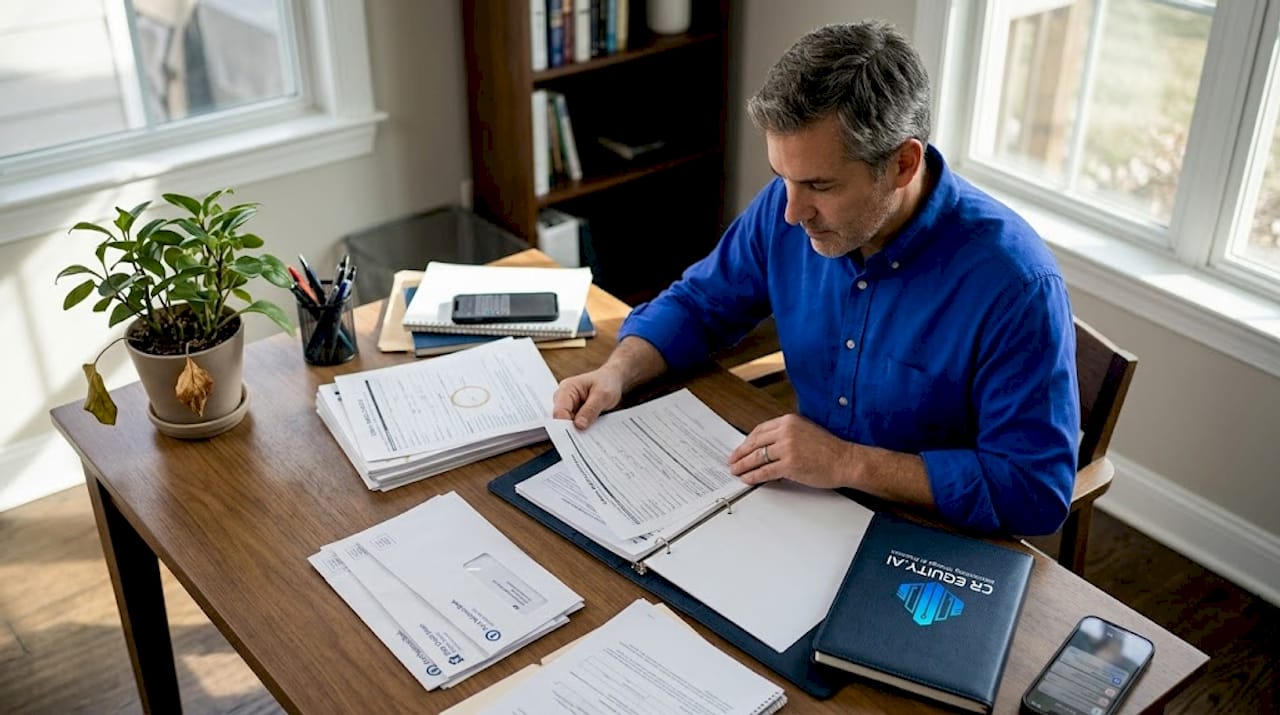
The 7(a) is the most versatile SBA product. If your business needs capital for multiple purposes simultaneously, such as buying a building while also funding a renovation, the 7(a) structure accommodates that flexibility. However, the application process is documentation-heavy and can take several weeks to complete.
SBA 504 loans
The SBA 504 program is purpose-built for fixed-asset acquisition, primarily commercial real estate and major equipment. Loan amounts reach up to $5.5 million, with fixed interest rates and terms of 10 to 25 years. The structure is unique: the borrower contributes 10%, a conventional bank funds 50%, and a Certified Development Company (CDC) covers the remaining 40%. This three-party arrangement allows businesses to acquire significant assets with a relatively small down payment.
The fixed-rate feature of the 504 is a meaningful advantage in a volatile interest rate environment. Businesses planning long-term real estate expansion benefit from the predictability of fixed payments. For commercial real estate loans specifically, the 504 is often the most cost-effective SBA path available.
SBA microloans
SBA microloans are distributed through nonprofit intermediaries and cap at $50,000, with an average disbursement of $13,000 to $16,000. Rates range from 8% to 13%, and terms extend up to six or seven years. These loans are designed for startups and businesses needing working capital or equipment. One critical restriction: microloans cannot fund commercial real estate purchases or refinancing.
Pro Tip: The 504 loan structure is particularly effective for expansion scenarios because the 10% down payment requirement preserves operating cash. A business acquiring a $2 million property only needs $200,000 upfront, compared to 20-30% for a conventional commercial mortgage.
| Feature | SBA 7(a) | SBA 504 | SBA Microloan |
|---|---|---|---|
| Max loan amount | $5 million | $5.5 million | $50,000 |
| Interest rate type | Variable | Fixed | Fixed |
| Rate range | Prime + 2.25-4.75% | Below-market fixed | 8-13% |
| Max term | 25 years (real estate) | 25 years | 6-7 years |
| CRE eligible | Yes | Yes | No |
| Guarantee | 75-85% | 40% CDC portion | N/A |
| Best for | General business needs | Fixed asset acquisition | Startups, working capital |
For buyers exploring diverse financing structures, reviewing Colorado home loan types provides useful context on how loan structures differ across property types and borrower profiles. You can also use the loan quote tool to model different SBA scenarios against your specific numbers.
Alternative funding sources: Online lenders and merchant cash advances
Not every business qualifies for an SBA loan. Here's how alternative options fill the gap when traditional programs fall short.
Online lenders
Online lenders have transformed small business financing over the past decade. These platforms offer term loans, lines of credit, and invoice financing with application processes that take minutes rather than weeks. Alternative lenders typically fund within one to three business days, with approval rates between 65% and 80%. The tradeoff is cost: APRs commonly range from 15% to over 50%, significantly higher than SBA rates.
Online lenders are appropriate for businesses with time-sensitive capital needs, such as purchasing inventory before a seasonal peak or covering a short-term cash flow gap. They are also a viable path for businesses with credit profiles that fall outside SBA eligibility. Understanding fast direct lending options can help you identify which platforms offer the best combination of speed and cost for your situation.
Merchant cash advances (MCAs)
A merchant cash advance is not technically a loan. It is a purchase of future receivables. The lender advances a lump sum in exchange for a percentage of daily credit card or bank deposits until the advance plus a factor fee is repaid. MCAs fund extremely quickly, often within 24 hours, and require no collateral. However, the effective APR can exceed 100% in some cases, making them one of the most expensive forms of business capital available.
MCAs are best suited for businesses with consistent daily revenue, such as retail stores or restaurants, that need immediate capital and have exhausted lower-cost options. They should not be used for long-term investment or real estate purposes.
"Businesses with financing are twice as likely to be in a growth phase."
Comparison: Alternative vs. SBA vs. microloan
| Factor | Online lender | MCA | SBA 7(a) | Microloan |
|---|---|---|---|---|
| Funding speed | 1-3 days | 24 hours | 2-8 weeks | 2-4 weeks |
| APR range | 15-50%+ | 50-150%+ | 6-10% | 8-13% |
| Credit requirement | Moderate | Low | High | Moderate |
| CRE eligible | Sometimes | No | Yes | No |
| Collateral required | Sometimes | No | Often | Sometimes |
Alternative funding options are also expanding into real estate through platforms that facilitate crowdfunding in real estate, offering equity-based participation for investors and developers who need flexible capital structures outside traditional lending. For businesses operating across borders, international CRE funding solutions are increasingly relevant as capital flows become more global. Businesses interested in AI-driven approval processes can explore AI business loan programs that combine speed with institutional-grade underwriting.
Pros, cons, and use cases at a glance
- Online lenders: Fast approval, accessible to imperfect credit, higher cost, best for short-term needs
- MCAs: Immediate funding, no collateral, very high effective cost, best for high-revenue daily businesses
- SBA loans: Low rates, long terms, slow process, best for established businesses with strong documentation
- Microloans: Accessible for startups, nonprofit-backed support, limited amounts, no real estate use
Choosing the right option for your business
After comparing the major options, here is how to match the right funding source to your unique situation. The decision is not purely about which program offers the lowest rate. It requires aligning loan structure with business stage, capital purpose, and realistic qualification criteria.
Match loan type to business stage
Startups with less than two years of operating history typically cannot access SBA 7(a) or 504 loans due to revenue documentation requirements. Microloans and online lenders are more accessible at this stage. Growth-stage businesses with two or more years of financials and stable revenue are prime candidates for SBA programs. Businesses pursuing real estate acquisition should prioritize the 504 or 7(a), depending on whether they need a fixed-rate structure or multi-purpose flexibility.
Steps to choose the right funding option
- Define the exact purpose of the capital: real estate, equipment, working capital, or debt refinancing.
- Assess your credit score, revenue history, and net worth against SBA eligibility thresholds.
- Determine how quickly you need funds and whether the timeline is flexible.
- Calculate the total cost of capital for each option, not just the interest rate.
- Identify any use restrictions that might disqualify certain programs.
- Consult a lender or platform that can match you to multiple offers simultaneously.
Understanding business lending structures in depth will help you avoid common decision errors, such as choosing a short-term MCA to fund a long-term asset or applying for a microloan when a 504 would provide better terms for a property purchase.
Pro Tip: Never overlook local nonprofits, community development financial institutions (CDFIs), and community banks. These lenders often offer rates below those of online platforms and are more flexible on credit requirements than large national banks.
Small business lending volume is projected to hit $850 billion in 2026, reflecting both the demand for capital and the expanding range of products available to borrowers. The growth of real estate tokenization is also beginning to create new capital access pathways for commercial property investors, particularly for fractional ownership and liquidity solutions.
A fresh perspective: Why flexible funding and quick decisions matter more in 2026
Stepping back, the conventional wisdom in small business financing has long prioritized rate minimization above all else. Find the lowest APR, wait for SBA approval, and avoid alternative lenders at all costs. That framework made sense in a slower-moving economy. It is increasingly inadequate in 2026.
The businesses gaining ground today are not necessarily those with the cheapest capital. They are the ones that accessed capital at the right moment. A retail business that secures inventory financing in 48 hours to meet a sudden demand spike generates returns that far exceed the cost of a 25% APR loan. A commercial property investor who closes on a distressed asset in two weeks using bridge financing creates equity that a 60-day SBA process would have forfeited entirely.
Alternative lenders fund in 1-3 days at higher rates, but that speed premium often delivers a measurable competitive advantage. The question is not whether the rate is high. The question is whether the return on the deployed capital justifies the cost.
Technology is reshaping this calculus further. AI-driven underwriting platforms now process applications, verify documents, and match borrowers to lenders in minutes rather than weeks. This eliminates the primary disadvantage of institutional lending: its slowness. When a platform can deliver institutional-grade credit analysis at the speed of an online lender, the traditional tradeoff between cost and speed begins to collapse.
"AI-driven lending platforms are creating new possibilities for businesses that need both speed and favorable terms, without sacrificing one for the other."
The businesses that will scale most effectively in 2026 are those that treat financing as a strategic tool rather than a necessary burden. That means knowing when to use a low-cost SBA product for a long-term asset and when to use a fast alternative lender for a time-sensitive opportunity. Smart CRE lending decisions require both options to be accessible and evaluable in real time.
Next steps: Find the ideal funding partner
Now that you're equipped to evaluate options, here's where to take action for tailored business growth.
CR Equity AI combines machine-learning underwriting with real-time lender matching to deliver multiple loan offers in minutes. Whether you're acquiring commercial real estate, funding working capital, or bridging a construction timeline, the platform's automated credit models provide institutional-grade analysis without the traditional delays.
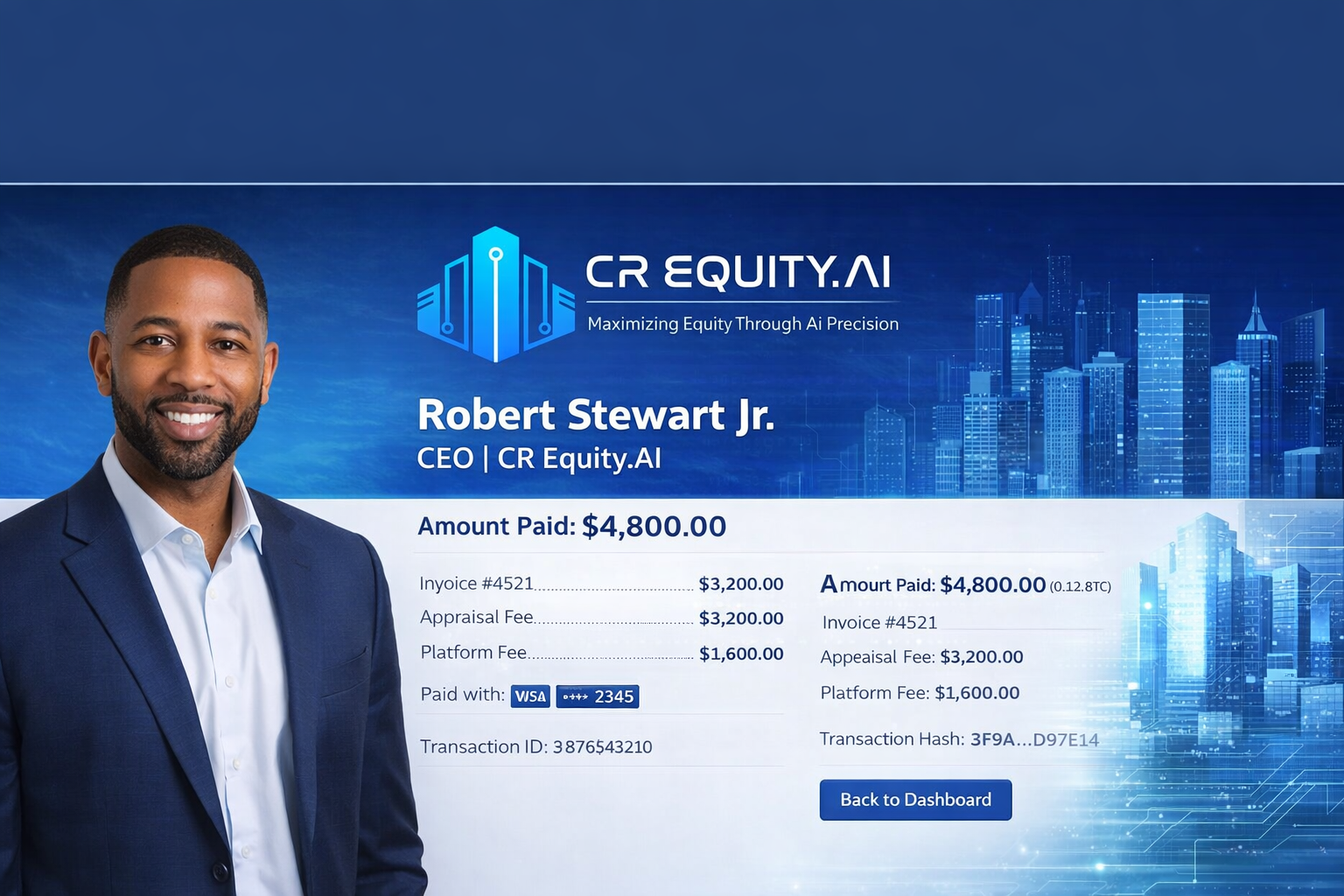
Use the get your loan quote tool to model your specific scenario across multiple programs simultaneously. You'll see rate comparisons, term structures, and estimated approvals based on your actual financial profile. For a full view of available products, explore the business financing services page to match your capital need to the right program. CR Equity AI's platform is built for speed, compliance, and accuracy, giving you the decision-making advantage that modern business growth requires.
Frequently asked questions
How quickly can my small business get funded using alternative lenders?
Alternative lenders typically fund within one to three business days, significantly faster than traditional banks or SBA programs. Speed varies by lender, loan type, and how quickly you submit required documentation.
Can SBA microloans be used to buy commercial real estate?
No. SBA microloans cannot fund commercial real estate purchases. They are restricted to working capital, inventory, supplies, furniture, fixtures, machinery, and equipment.
What are the main eligibility criteria for SBA loans?
SBA loan eligibility requires a for-profit US business that meets size standards, has a net worth below $20 million, demonstrates creditworthiness, and cannot obtain financing through conventional non-government sources.
Are there funding options for businesses with poor credit?
Yes. Alternative lenders offer approval rates of 65-80% for businesses with poor credit, using revenue-based qualification models rather than strict credit score thresholds. APRs are higher, typically 15-50% or more.
How does owner occupancy affect eligibility for SBA-backed real estate loans?
For SBA real estate loans, the borrowing business must occupy between 51% and 60% of the property. Investment properties where the owner does not occupy a majority of the space do not qualify under SBA programs.
Recommended
- Fast Business Funding & Business Loan Fast Approval | AI Business Loan | CR Equity AI | CR Equity AI
- Fast, Direct Lending You Can Trust at CR Equity | CR Equity AI
- Understanding Commercial Lending for Your Business Needs | CR Equity AI
- International Commercial Real Estate Funding: The Complete Guide | CR Equity AI | CR Equity AI